

Okazaki Group
- Affiliation
-
Laser and Synchrotron Research Center
(concurrent with Division of Advanced Measurements, Division of Nanomaterials Imaging Research) - Course
- Adv. Mat., Frontier Sci.
 Research Associate IKEDA, Ryohei
Research Subjects
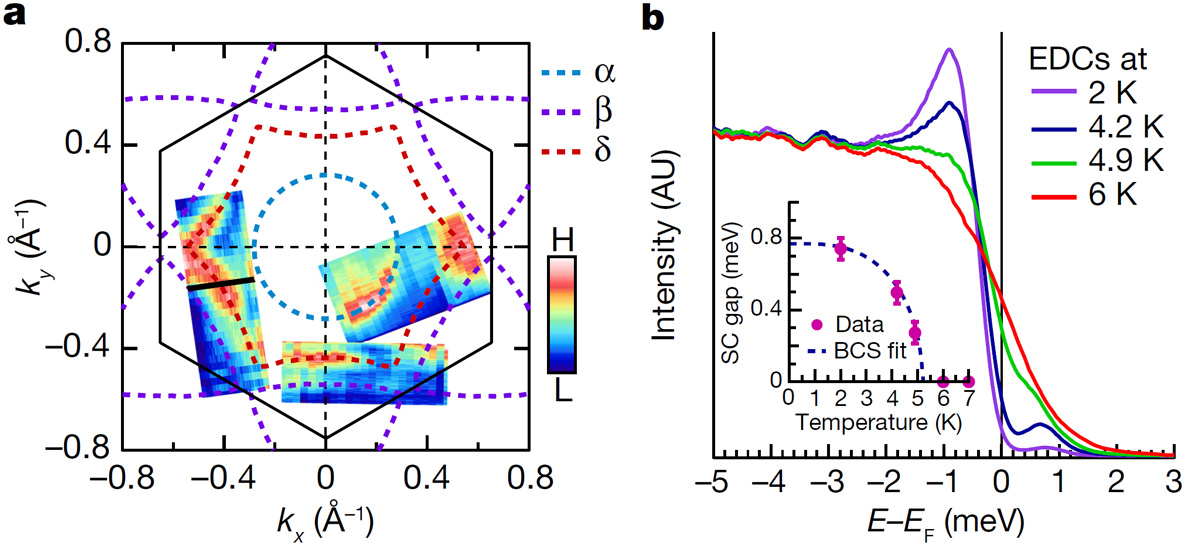
- Mechanisms of unconventional superconductivities investigated by ultralow-temperature and ultrahigh-resolution laser ARPES
- Mechanisms of photo-induced phase transitions investigated by HHG laser time-resolved ARPES
- Developments of high-resolution/time-resolved ARPES systems using advanced lasers
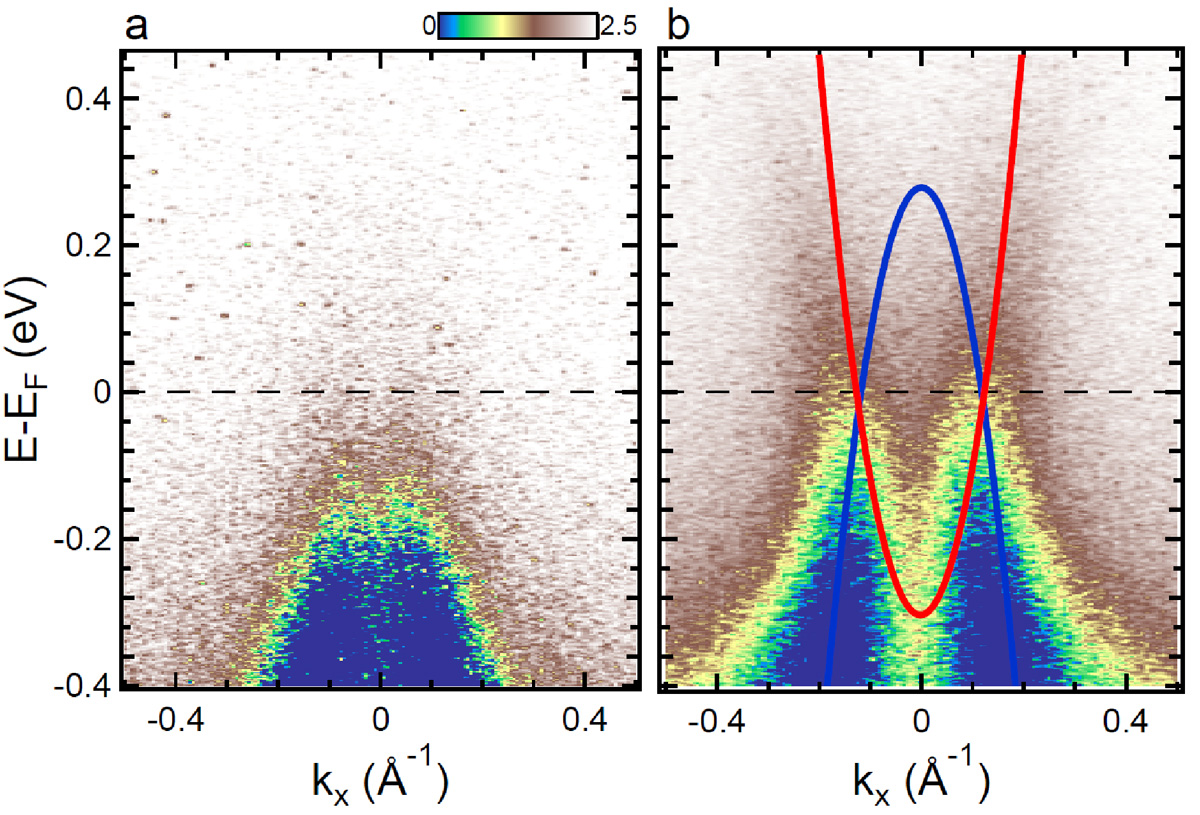
Angle-resolved photoemission spectroscopy (ARPES) is a powerful experimental technique that enables direct observation of the energy–momentum dispersion (band structure) of electrons in solids. In our group, we aim to elucidate the mechanisms of unconventional superconductivity by directly probing the electronic structures and superconducting gap structures using a laser-based ARPES system with world-leading performance, achieving an energy resolution of 70 μeV and a base temperature of 1 K. These capabilities allow us to resolve extremely fine electronic features and investigate low-energy phenomena with unprecedented precision. Furthermore, time-resolved photoemission spectroscopy (TARPES), which employs a femtosecond laser as the pump and its high harmonics as the probe, enables us to investigate ultrafast transient electronic structures in non-equilibrium states. Using a high-harmonic-based TARPES system, we study photo-induced phase transitions and explore optical control of material properties. In collaboration with laser development groups, we are also engaged in the development and advancement of next-generation photoemission systems based on cutting-edge laser technologies.