


Division of Data-Integrated Materials Science, Social Cooperation Research Divisions
Recently, machine learning has attracted a lot of social attention. The possibility of applying machine learning techniques to material-science research is also actively studied, and many promising and interesting results have been reported. The expectation is that this idea, which is called materials informatics, will be the key to accelerating the industrial application of basic science. The division aims at developing new methods for prediction of physical properties of innovative materials, based on the understanding of electron correlation, by integrating experiments and numerical calculations through data-scientific approaches. While conventionally we have been comparing experimental results with numerical ones, interpreting the former by the latter, the new goal is to achieve something that cannot be done by experiment or numerical calculation alone, by using both of them simultaneously. In this way, we are efficiently searching for a wide variety of new functional materials, such as permanent magnets, soft magnets, spintronic materials, and superconductors.
| Member | Research Subjects | |
|---|---|---|
 |
INUI, Koji Project Associate Professor |
|
| Members holding a concurrent position(*Leader) | |||
|---|---|---|---|
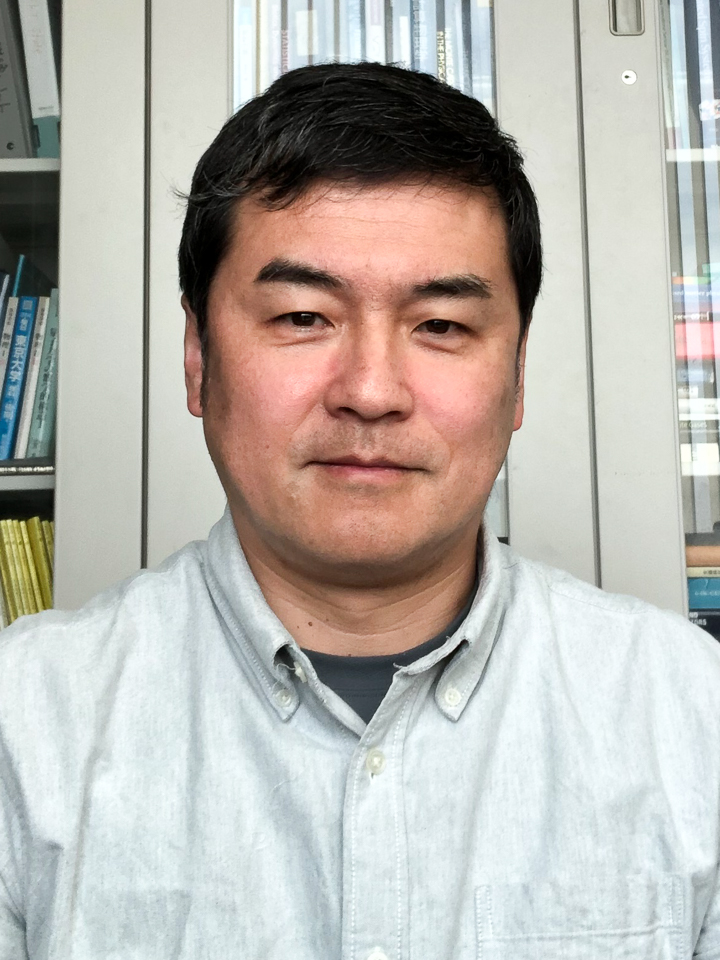 |
KAWASHIMA, Naoki Project Professor Group's HP Main; Numerical Materials Research Laboratory (NML) |
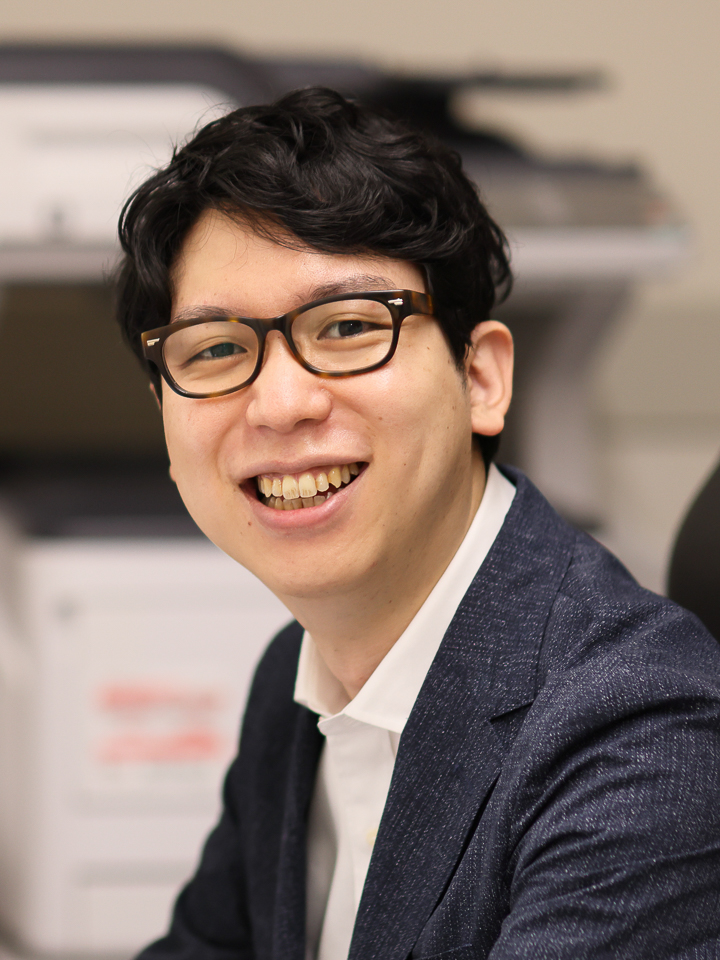 |
KIMURA, Takashi Project Associate Professor Group's HP Main; Laser and Synchrotron Research Center |
 |
MISAWA, Takahiro Project Associate Professor Group's HP Main; Numerical Materials Research Laboratory (NML) |
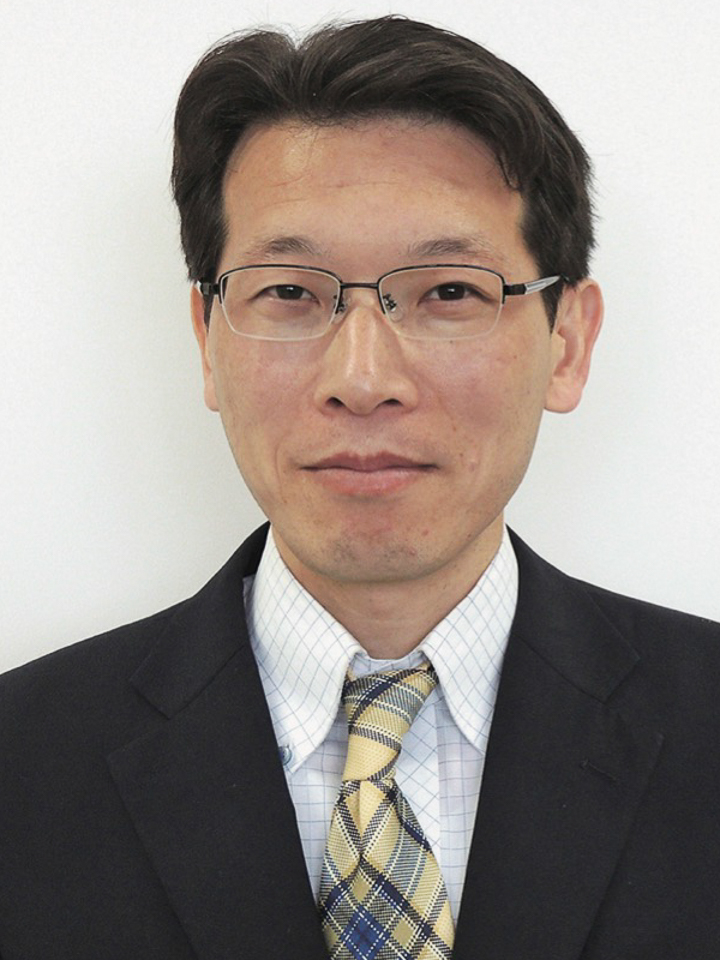 |
OZAKI, Taisuke* Project Professor Group's HP Main; Numerical Materials Research Laboratory (NML) |